Choosing the Right Private Gaudí Tour in Barcelona
Choosing a private tour of Gaudí's work is less about finding the biggest list of buildings and more about matching the day to your interests, pace and knowledge level. Barcelona rewards careful attention. A balcony, a staircase, a patch of mosaic or a curve in a wall can carry as much meaning as the famous facade, and a good tour gives you time to notice those details without rushing to the next stop.
The best choice usually starts with a simple question: what kind of day do you want? Some visitors want the headline sights in a compact route. Others want a slower look at architectural details, with room for questions and unplanned pauses. Once that is clear, the practical decisions become much easier.
Decide which Gaudí sites matter most
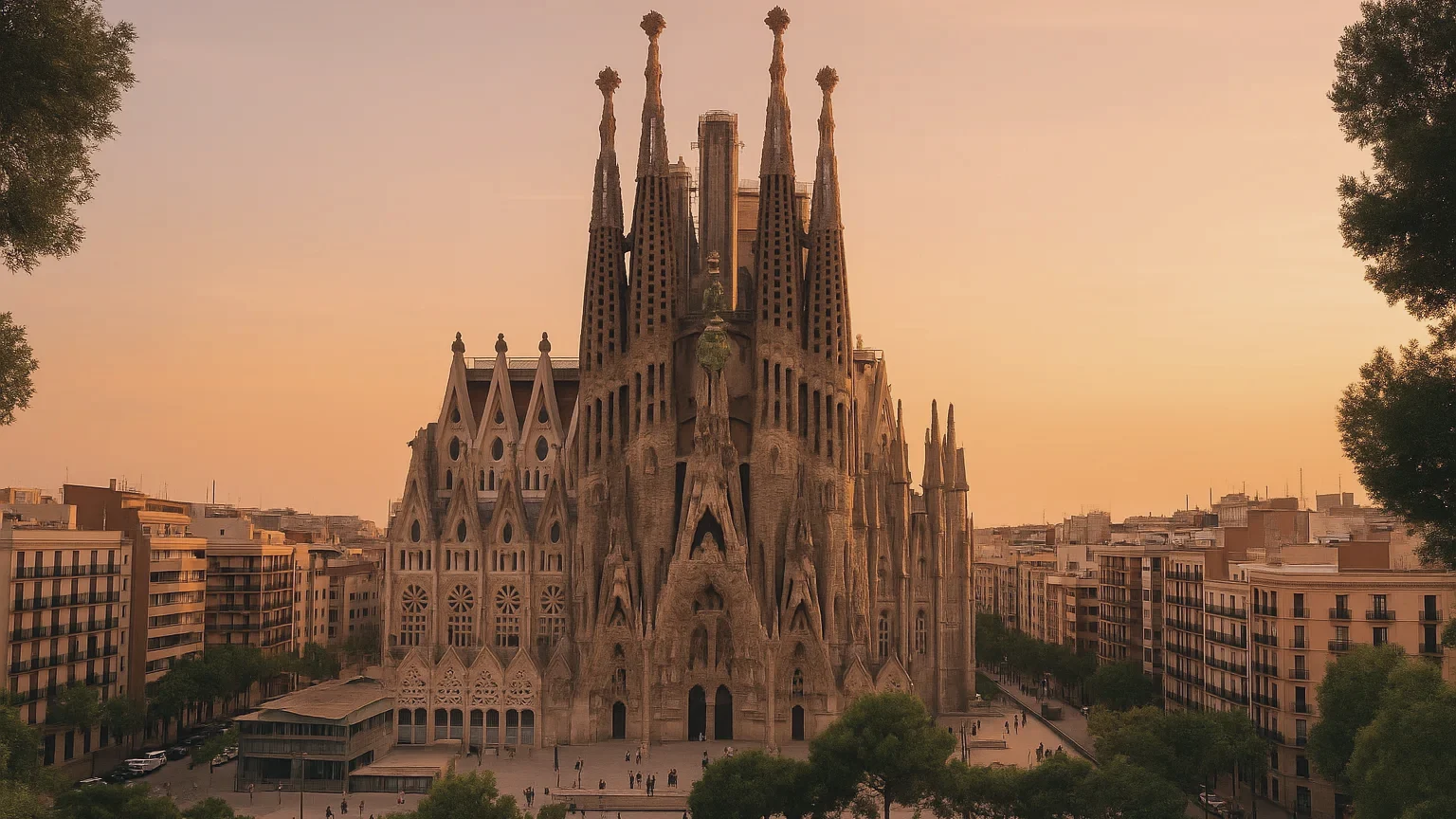
Begin by choosing the core stops. Sagrada Familia is often the priority because its scale, light and symbolism deserve focused explanation. Park Güell adds colour, landscape design and a different side of Gaudí's imagination. Casa Batlló and La Pedrera sit in the city fabric and work well together, especially for understanding how his ideas changed ordinary urban buildings.
A private itinerary does not need to include every major work. In fact, trying to fit too much in can flatten the experience. If the day is short, choose two or three sites and give them proper time. If architecture is the main reason for the trip, a fuller route may be suitable, but only if transfers and entry timing are handled with care.
Watch for tours that list landmarks without explaining how long each one gets. A route that sounds generous on paper may leave little time inside a building, or may spend too long moving between distant points. Ask how the stops connect, where the walk begins and whether there is any uphill section. Park Güell in particular needs realistic planning because of its position and layout.
Match the commentary to your knowledge level
Guided commentary is one of the main reasons to book a private outing. The value is not just a stream of dates and names. A strong explanation helps you see how forms, materials and light work together, and why certain patterns or shapes matter.
Think about the group before booking. A family with children may need clear stories, short explanations and frequent breaks. Architecture enthusiasts may prefer deeper discussion of structure, symbolism and restoration. A mixed group often benefits from a guide who can adjust the tone rather than deliver one fixed script.
Check whether the tour is described as general sightseeing or architectural. Both can be enjoyable, but they create different days. General commentary may place Gaudí in the wider context of Barcelona, including the Gothic Quarter and the city's growth. A more focused approach will spend longer on lines, surfaces, interiors and design ideas.
Choose the right length and pace
Duration affects quality more than many visitors expect. A short tour can be a good introduction if it concentrates on one area, but it may feel tight if it includes several interiors. Longer tours allow more breathing space, yet they can become tiring if the route is poorly paced.
Look at the structure of the day. Does it include stops for water, rest and photos? Are the busiest parts placed at sensible times? Is there a clear meeting point and a clear end point? These details matter in a city where streets can be crowded and timed entry can shape the whole schedule.
The phrase private gaudi tour barcelona can cover very different formats, from a focused architectural walk to a broader city outing with several famous stops. Read the route carefully instead of relying on the label. The description should tell you what is included, what is left to your own time and how much movement is involved.
Check access and timing before you commit
Entry arrangements can change how smoothly the day runs. Some sites use timed admission, some have restricted areas and some require separate tickets for different sections. skip-the-line access can be useful where it is available, but it should be understood as a way to reduce waiting, not as permission to ignore entry rules.
Ask what the booking includes and what you are expected to arrange yourself. That distinction helps avoid surprises at the door. It is also worth checking whether the route accounts for security checks, cloakroom rules and any limits on large groups. Even a private format takes place within public rules.
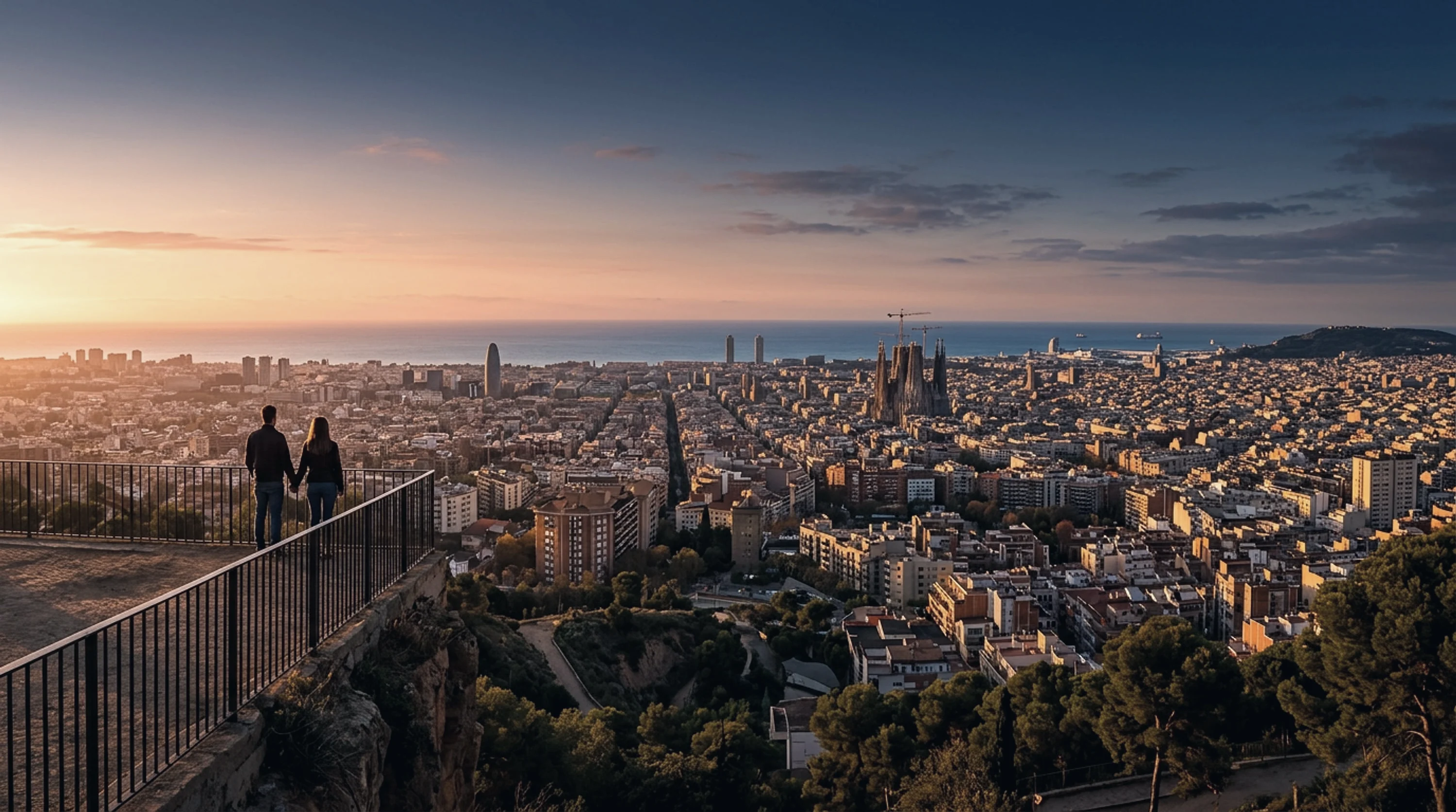
Timing deserves special attention at Sagrada Familia and Park Güell. Both can feel very different at quieter and busier moments, and both are easier to enjoy when the schedule allows a steady arrival rather than a rushed dash. A sensible itinerary should not depend on unrealistic movement across the city.
Read what the guide is expected to do
A private tour works best when the guide has a clear role. Beyond commentary, that role may include keeping the group together, managing questions, helping with meeting points and adjusting the pace when needed. The guide is not a substitute for personal planning, but good coordination makes the day feel calmer.
Check the language of the tour and whether requests can be accommodated. Also consider accessibility. If anyone in the group has limited mobility, ask about walking distances, stairs, slopes and rest points before booking. Buildings and parks with historic layouts may have constraints, and those constraints should be handled honestly rather than discovered on the day.
For a private gaudi tour barcelona that feels well matched, pay attention to how the itinerary balances depth with comfort. A day packed with famous names is not automatically the richest option. Sometimes the better choice is a shorter route with stronger explanation, better timing and enough space to look up at the details.
Compare the small print with the promise
Before choosing, put the descriptions side by side and compare them in practical terms. A clear listing should make it easy to understand what kind of day is being offered.
- The exact stops, including whether interiors are part of the visit.
- The starting point, ending point and total duration.
- What is included, such as tickets or skip-the-line access.
- The language, group size and level of commentary.
- The rules for changes, cancellations and late arrival.
That final point is easy to overlook. City schedules can shift, flights change and weather can alter plans. Clear terms make it easier to adjust without turning the day into a complicated negotiation. They also signal whether the booking is presented in a straightforward way.
A sensible final check is to picture the day from arrival to finish. Where will everyone meet? How will the first stop begin? Is there time to eat beforehand? Does the last stop leave you near transport or other plans? When these answers line up, the tour is more likely to feel smooth and rewarding.
Picking the right private Gaudí outing comes down to fit. Choose the sites that genuinely interest the group, set a pace that leaves room for attention, and verify the practical details before booking. With those points settled, the architecture has space to speak for itself, from the coloured surfaces of Park Güell to the rising forms of Sagrada Familia.
Corrections
Spot something wrong? Send it to the desk and it gets fixed in the open.